Heart disease remains one of the leading causes of death globally, affecting millions of people every year. Fortunately, advancements in interventional cardiology have revolutionized the treatment of coronary artery disease, helping patients recover faster and enjoy better quality of life. One of the most significant innovations in cardiac care is the development of coronary stents.
Stents have transformed the way cardiologists treat blocked arteries, reducing the need for major surgery and helping restore healthy blood flow to the heart. Understanding the role of stents in cardiac care can help patients make informed decisions about their treatment options.
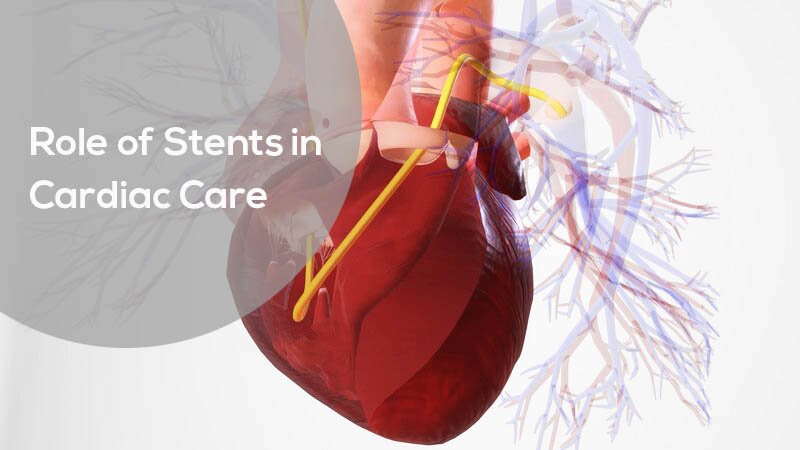
A coronary stent is a small mesh-like tube that is inserted into a narrowed or blocked coronary artery during a procedure called coronary angioplasty. The stent acts as a scaffold, keeping the artery open and ensuring continuous blood flow to the heart muscle.
Stents are typically made of metal and are designed to remain permanently inside the artery after implantation.
Coronary arteries can become narrowed due to the buildup of fatty deposits known as plaque. This condition, called coronary artery disease (CAD), restricts blood flow and may lead to:
When significant blockages are detected, stent placement can help restore circulation and reduce the risk of serious complications.
Stent placement is usually performed during coronary angioplasty.
The procedure is minimally invasive and typically takes less than two hours.
These stents release medication that helps prevent the artery from becoming narrowed again. They are the most commonly used stents today.
These traditional stents provide structural support to the artery but do not release medication.
These newer stents gradually dissolve over time after supporting the artery during healing. Although promising, they are not suitable for every patient.
The primary benefit of a stent is restoring adequate blood flow to the heart muscle, relieving symptoms and improving heart function.
Many patients experience immediate relief from angina after successful stent placement.
By opening blocked arteries, stents reduce the risk of future heart attacks and other cardiac emergencies.
Unlike open-heart surgery, stent placement requires only a small puncture in an artery, resulting in less discomfort and faster recovery.
Most patients return home within 24 to 48 hours and can resume normal activities relatively quickly.
Patients often notice better exercise tolerance, increased energy levels, and improved overall well-being.
A cardiologist may recommend a stent for patients with:
The decision depends on the severity and location of the blockage, symptoms, and overall heart health.
Successful stent implantation is only one part of long-term heart care. Patients should continue to focus on healthy lifestyle habits.
These measures help maintain the benefits of the procedure and reduce the risk of future blockages.
Coronary stents are considered highly safe and effective when implanted by experienced interventional cardiologists. Modern stent technology has significantly improved patient outcomes and reduced complication rates.
Key steps include:
Your cardiologist will discuss these risks and determine the most appropriate treatment approach.
Interventional cardiologists specialize in minimally invasive procedures that diagnose and treat cardiovascular disease. Their expertise includes:
Their goal is to restore heart function while minimizing recovery time and improving patient outcomes.
Coronary stents have become a cornerstone of modern cardiac care, offering an effective and minimally invasive solution for treating blocked heart arteries. By restoring blood flow, reducing symptoms, and lowering the risk of heart attacks, stents have helped millions of patients lead healthier and more active lives.
If you experience chest pain, shortness of breath, or have risk factors for heart disease, consult an experienced cardiologist for timely evaluation. Early diagnosis and appropriate treatment can make a significant difference in protecting your heart health and enhancing your quality of life.